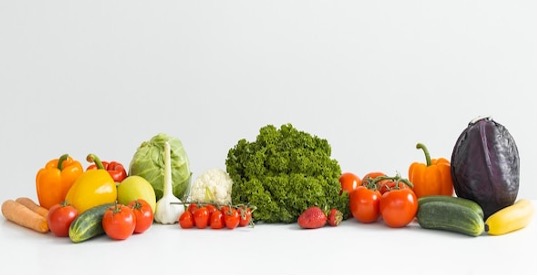
Supermarket shelves are filled with foods claimed to be healthy. And if all these foods are as healthy as they are claimed to be, why aren’t we all super-fit?
To get the answer to this, we need to understand food labels. However, food labels aren’t always easy to read.
And so, we are here to decode reading food labels for you.
When you buy “multigrain” bread, “low-fat meals”, or “juice”, what precisely are you getting? And, when phrases like “no additives”, “natural”, and “fresh” are thrown into the mix, the confusion level skyrockets.
These terms aren’t regulated, so just because they look good on the packaging doesn’t mean they’re better for you.
If you’re confused about food labels, you aren’t alone.
So, what exactly should you look for while grocery shopping?
Here are a few useful tips that’ll help you understand food labels in a jiffy!
- Read the ingredients
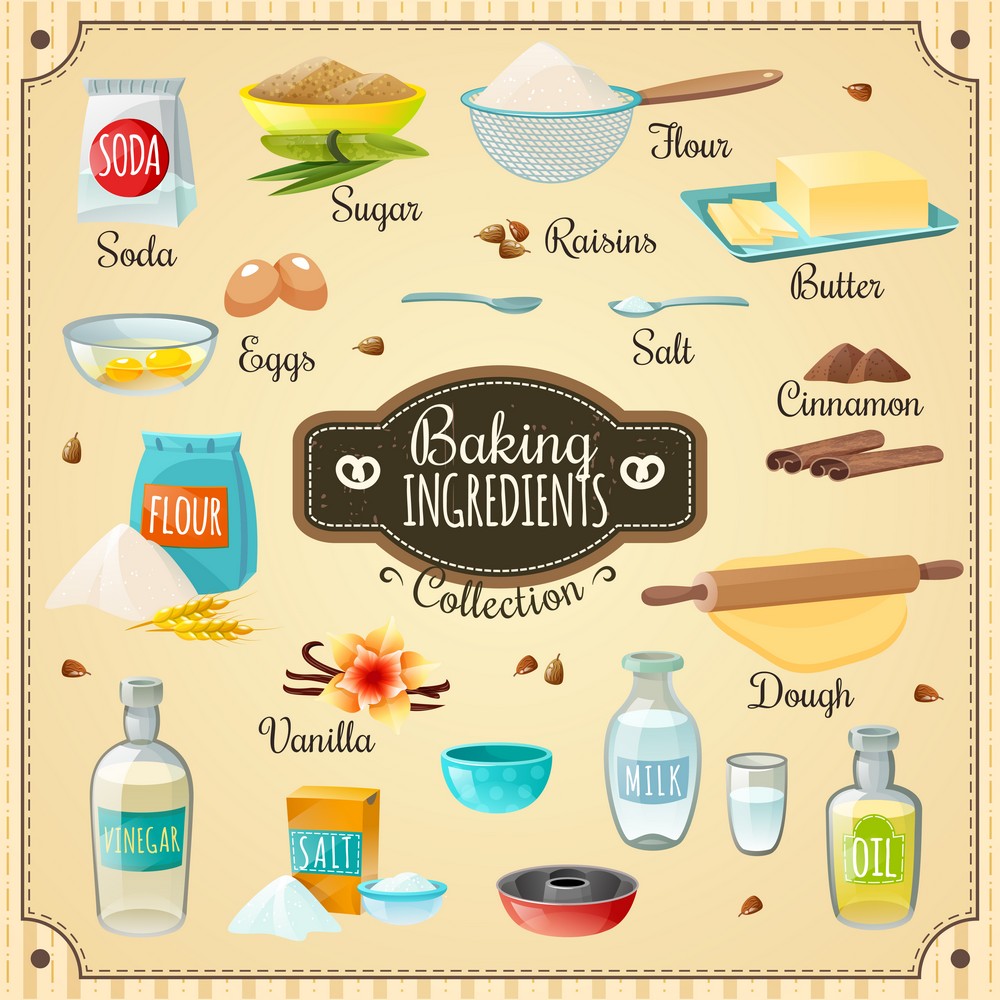
On the back of most pre-packaged items, there is an ingredients list. All that goes into your food will be recorded in descending order, starting with the ingredient of the highest quantity down to the lowest.
So, if the first few ingredients include saturated fats such as cream, butter, fatty meat, cheese, or sugars, keep in mind that these ingredients make up the majority of the item.
Ingredients near the bottom of the list will be added in small amounts, but that doesn’t always mean they won’t have an impact.
Minerals and vitamins added to various breakfast cereals, for example, can improve our diets, and even small amounts of salt can contribute significantly to our daily limit of 6g.
You can presume the product is unhealthy if the initial components include refined grains, any sort of sugar, or hydrogenated oils. Choose products with whole foods as the first three ingredients instead.
- Look over the nutritional information
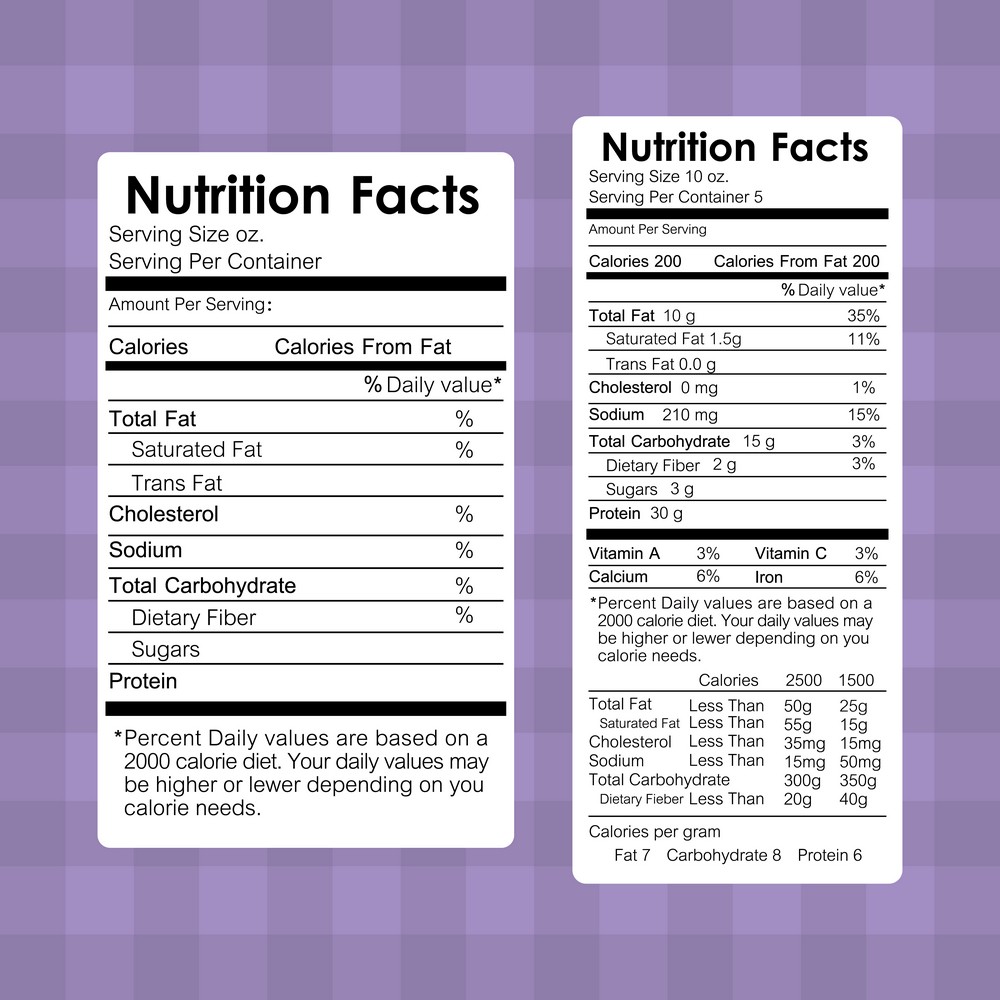
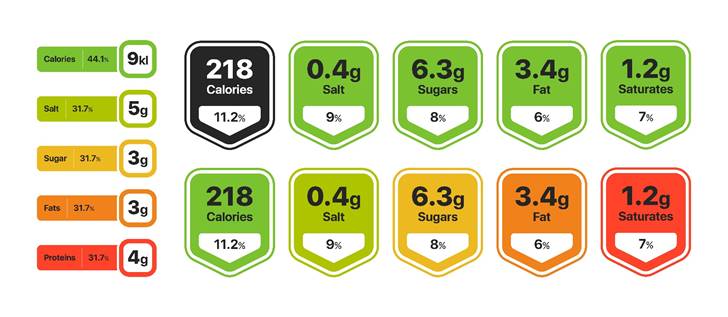
Total fat, saturated fat, salt, and sugar—the “big four”—are the most crucial to consider. This is because they can alter weight and blood pressure, increasing the risk of coronary heart disease and stroke.
However, you can compare other nutrients, such as the proportion of unsaturated fats (the good kind of fats) and fiber, to make healthier selections.
The fairest way to compare products nutritionally is to use the per 100g column on the nutrition information table.
- Portion size matters
Nutritional information per portion can be found on the package. The portion size mentioned on the package is the manufacturer’s recommended portion size and may differ between brands.
Also, this portion size may be less than yours, which means that even if a product appears to be healthy, you will be consuming more calories, sugar, saturated fat, or salt than you realize.
- Spot the sugars
All sugars added to foods, as well as sugars in fruit juices, are considered free sugars. Sugar is used for a variety of purposes, including preservation and flavoring.
Sugar can be disguised under a variety of identities, so be cautious:
- Syrup
- Honey
- Molasses
- Concentrated fruit juice
- Nectar
- Fructose, glucose, dextrose, maltose, and others that end with ‘OSE’
.
If any or more of the above are listed on the ingredient list, it’s added sugar, no matter how natural it sounds.
- And the salt too
Salt is added to a variety of ordinary meals, including some you might not expect to be salty, such as cakes, bread, biscuits, and more.
Excess salt in the diet can raise blood pressure over time, increasing the risk of heart disease and stroke. The majority of us consume more than the recommended daily limit of 6g (equal to a teaspoon).
Most foods are labeled with their salt level. Keep in mind that some products have sodium instead of salt on the label. To calculate the salt content for such labels, multiply the sodium value by 2.5.
The bottom line is…
Avoiding processed foods altogether is the greatest way to prevent being misled by product labels. After all, whole foods don’t require a list of ingredients!
If you do decide to buy packaged meals, use the techniques in this article to sift out the low-quality items from the high-quality ones.
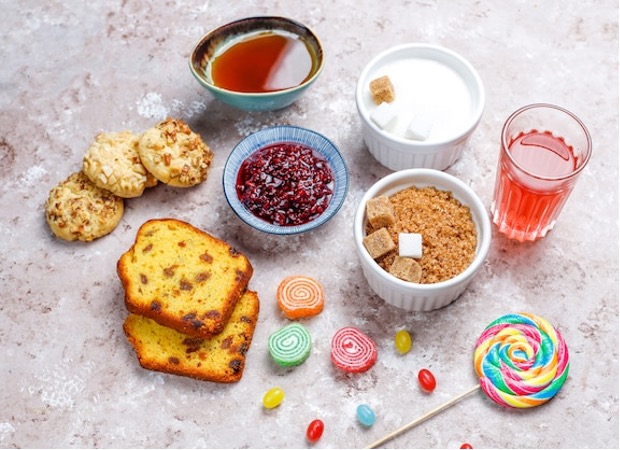
Simple carbohydrates, also known as simple sugars, are found naturally in foods like fruits and dairy products. They provide a quick burst of energy that can be used quickly, but they also tend to be high in calories and can cause spikes in blood sugar levels.
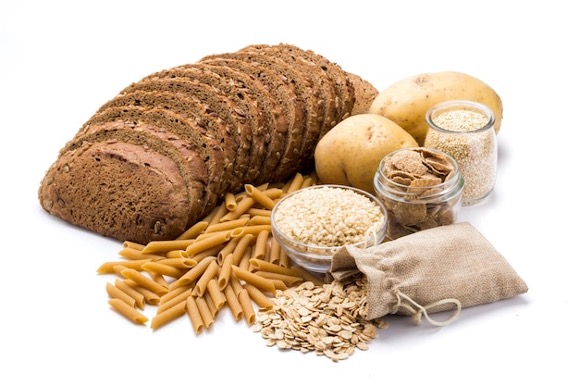
Complex carbohydrates are found mainly in whole grains, legumes, vegetables and fruits. While they take a bit longer to digest than simple carbs, complex carbs provide sustained energy essential for both physical and mental performance.
Carbohydrates, or ‘carbs’ as they are commonly referred to, are one of the main sources of energy for our bodies. That’s why it’s so important that we get enough carbs in our diets — without them, our bodies can’t function properly.
However, not all carbs are created equal. In fact, there are three main types of carbohydrates — simple, complex and dietary fibre — each of which play an essential role in our nutrition.
Dietary fibre is a type of complex carbohydrate that’s particularly beneficial for our health. It helps to keep us full and can help reduce the risk of certain diseases, such as diabetes and heart disease. Dietary fibre comes from plant-based foods like fruits, vegetables, legumes and whole grains.