Healthy Weight Loss – Thanzih

Healthy Weight Loss

Have you ever wondered why it took you years or even decades to get to your current weight?

Why do you think you can cut it down in months?

It’s human to want to lose weight quickly. But is it healthy?

Well, there is no straight answer to this. Studies have shown that people who lose weight steadily are more likely to keep it off.

However, recent studies have also shown that both steady and rapid weight loss can be equally effective.

Confused?

Let’s dig deeper!

What’s healthy weight loss?

Experts suggest that dropping 1–2 pounds (0.45–0.9 kg) each week is a safe and healthy rate of weight loss.

Losing more weight than required is considered excessive and can lead to a variety of health issues, including gallstones, muscle loss, nutritional deficiencies, and a slowing of the metabolism.

Is it possible to maintain rapid weight loss?

Losing the extra kilos is really only half the battle. The true challenge is keeping that weight off.

After a year, most people who have been following a diet recover half of the weight they lost.

That’s why most specialists advise decreasing weight gradually. Most studies demonstrate that those who lose weight slowly but steadily have a better chance of keeping it off in the long run.

The problem with rapid weight loss is that it usually requires significant effort in diet and exercise, which can be unhealthy and difficult to maintain as permanent lifestyle modifications.

So, what do we do?

Imagine you are in a strict routine for weight loss from tomorrow.

When you first start thinking about making the behavior changes required to follow the routine, you naively imagine that you could simply flip a switch and follow all the rules.

Parathas with butter would magically turn into egg white omelets. Slices of pizza would transform into veggies, brown rice, or chicken. You would somehow transport from the bedroom onto a treadmill.

There is no magic button that will make you enjoy running and eating veggies all of a sudden. It takes a lot of trial and error to get to the point where making healthy choices is second nature, and even then, it takes daily effort.

In order to achieve where you want to go, you need to adjust your behavior in small steps. While it may sound difficult, it has also shown to be surprisingly manageable.

We’ve decoded the weight loss process and listed a few tips to help you lose weight at a healthy pace:

  • Understanding weight loss: Calories in / Calories out

    Knowing how weight loss works is the first step toward losing weight. There is no such thing as a miracle pill or a quick fix- you need to be in a calorie deficit to lose weight!

    A deficit is created when you burn more calories than you consume. The level of the deficit will determine how much and how quickly you lose weight.

  • Strength Training

    Strength training develops lean muscle mass, which helps in burning more calories throughout the day. The more lean muscle you have, the more quickly you will lose weight.

  • Increase protein intake

    A high-protein diet keeps you full for longer, can accelerate your metabolism, and help you maintain muscle mass.

  • Eliminate processed foods

    Processed foods are mostly high in fat, sodium, sugar, and calories.  Also, they contain very few useful nutrients.

  • Stay hydrated

    Water is the most beneficial fluid to consume throughout the day. It has no calories and a long list of health benefits. Water helps in boosting your metabolism when consumed throughout the day. Drinking water just before meals can also help in consuming less food.

Finally, substituting water for sugary beverages can help people cut down on the total number of calories they eat during the day.

Takeaway

People who want to lose weight in a sustainable way should focus on establishing long-term lifestyle modifications rather than relying on quick fixes.

Make adjustments that you can sustain. Slowly altering your habits will help you lose weight and maintain it in the long run.

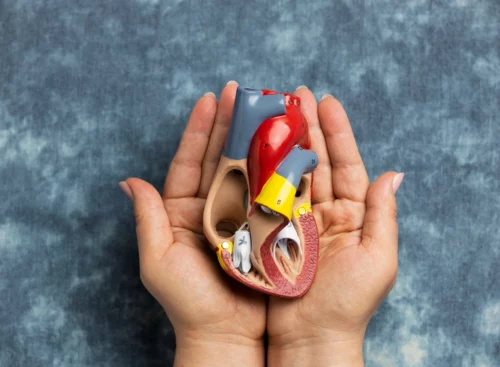
As technology evolves, so does the healthcare industry. Medical professionals are finding new ways to improve patient care, and one of those ways is through the implementation of precision care.

Precision care is a tailored approach to healthcare that uses individual patient data to create a personalized treatment plan. However, this treatment approach would not be possible without data analytics.

In this blog post, we will discuss how data analytics is integral to precision care.

Identifying Patient Patterns

Data analytics plays an essential role in identifying patterns in patient data. By examining data collected from numerous patients, doctors can better understand the correlation between patient characteristics and health outcomes.

Analytics identify patterns, such as a patient’s age, gender, and pre-existing medical conditions, that allow doctors to proactively manage specific health concerns. Data analytics can predict health problems accurately and identify early warning signs that allow doctors to intervene before a calamity strikes.

Furthermore, with the help of data provided by different health monitoring devices, doctors can identify patterns and create a personalized treatment plan.

Enhancing Healthcare Efficiency

Data analytics has transformed the healthcare industry by streamlining patient care and promoting efficiency.

Healthcare providers have access to vast amounts of patient data, and without a proper analytics system, it would be practically unusable. With the help of analytics, healthcare providers can better manage their patient information, reducing clutter and increasing efficiency.

Data analytics also gives the ability to track patient recovery time and overall treatment effectiveness. By identifying which treatments are efficient for which patients, healthcare professionals can make more informed decisions and, therefore, improve patient care more effectively.

Tailoring Treatment to Individual Patients

The primary goal of precision care is to evaluate individual patient data and personalize their treatment plan.

The medical team employs various analytics techniques to interpret and process patient data, ultimately leading to a tailored treatment plan that suits each patient’s needs.

The use of data analytics provides healthcare professionals with a wealth of data about an individual patient, from their DNA to their medical history.

With the help of this data, doctors can recommend treatments based on the patient’s genetic, medical, and lifestyle factors to create a unique treatment regimen.

Monitoring Patient Progress

Data analytics is vital in assisting healthcare professionals to monitor patient progress and identify any potential issues that could arise, or any warning signs that could lead to further health complications in their patients

Monitoring patient progress means healthcare providers can provide more timely and personalized care, thus reducing the recovery period and promoting faster healing.

Improving Patient Satisfaction

Data analytics has become increasingly important in improving patient satisfaction. In today’s digital age, patients have abundant health data available to them, making them informed. Patients now take an active role in their healthcare and expect more personalized care.

Data analytics allows healthcare providers to transform patient data into actionable insights, providing individualized care that satisfies the needs of the patient.

By using data analytics, healthcare professionals can provide insights into their patients’ overall health status, leading to better patient care and satisfaction.

Conclusion

Data analytics plays an integral role in improving healthcare through precision care, and has thereby transformed the healthcare industry, making it more efficient, personalized, and proactive.

It’s clear that data analytics and precision care are the future of healthcare, and we can expect more advancements in the years to come.